
How Fashion Brings People Together in Inclusive Communities
Fashion is more than just clothing - it is a powerful tool that connects people, expresses identity, and fosters belonging. In recent years, inclusive fashion has emerged as a movement that celebrates diversity and promotes acceptance across all walks of life. This approach to style embraces differences in body types, gender identities, cultural backgrounds, and abilities, creating spaces where everyone feels valued and represented.
Inclusive fashion is not just about what we wear; it is about how fashion can build bridges between individuals and communities. By breaking down barriers and challenging stereotypes, it helps cultivate a sense of unity and shared experience. This article explores how inclusive fashion brings people together, the benefits it offers, and practical ways to create an inclusive community through style.
The Power of Inclusive Fashion in Building Connections
Inclusive fashion goes beyond trends and aesthetics. It is a movement that encourages self-expression without limitations. When people see themselves reflected in fashion, it validates their identity and fosters confidence. This shared experience of acceptance can spark meaningful connections among diverse groups.
For example, brands that offer adaptive clothing for people with disabilities make fashion accessible to a wider audience. This inclusivity sends a message that everyone deserves to feel stylish and comfortable. Similarly, gender-neutral collections challenge traditional norms and invite people to explore their identity freely.
Fashion events and campaigns that showcase models of different races, sizes, and abilities also promote empathy and understanding. When communities witness diversity celebrated on runways or in advertisements, it normalizes differences and reduces prejudice.
Benefits of inclusive fashion in community building include:
Encouraging dialogue about identity and acceptance
Creating safe spaces for self-expression
Promoting cultural exchange and appreciation
Reducing social isolation by fostering belonging
Inspiring creativity and innovation in design

What Inclusive Fashion Looks Like Today
Inclusive fashion is visible in many forms, from clothing lines to retail experiences. It prioritizes accessibility, representation, and sustainability. Here are some key characteristics:
Size inclusivity: Offering a wide range of sizes that cater to all body types, not just standard measurements.
Adaptive design: Clothing with features like magnetic closures, adjustable hems, and sensory-friendly fabrics for people with disabilities.
Gender neutrality: Collections that avoid traditional gendered styles and colors, allowing freedom of choice.
Cultural respect: Incorporating traditional patterns and styles in a way that honors their origins without appropriation.
Sustainable practices: Using eco-friendly materials and ethical production to support social responsibility.
Many brands now collaborate with diverse designers and consultants to ensure authenticity and respect. Retail spaces are also becoming more welcoming by training staff on inclusivity and accessibility.
Consumers play a vital role by supporting brands that align with these values. Choosing inclusive fashion sends a message that diversity matters and encourages the industry to continue evolving.
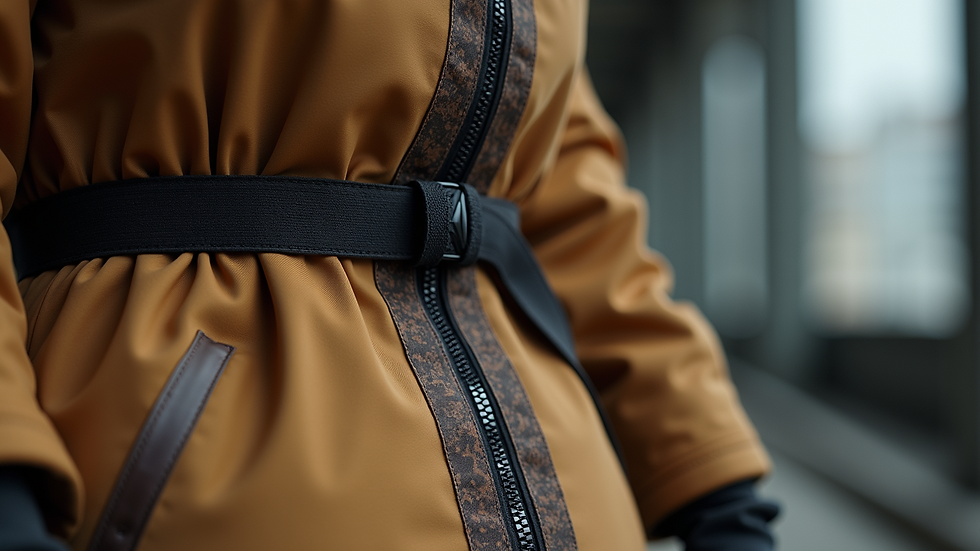
How do you create an inclusive community?
Creating an inclusive community through fashion requires intentional actions and ongoing commitment. Here are practical steps to foster inclusivity:
Educate and raise awareness: Host workshops or discussions about the importance of diversity in fashion. Share stories that highlight different experiences and perspectives.
Support diverse creators: Collaborate with designers, models, and influencers from underrepresented groups. This amplifies voices that are often overlooked.
Design with empathy: Consider the needs of all potential wearers, including those with disabilities or cultural sensitivities. Use feedback to improve products.
Create accessible spaces: Ensure physical stores and online platforms are easy to navigate for everyone. Provide clear sizing guides and inclusive marketing materials.
Celebrate diversity publicly: Organize fashion shows, pop-ups, or campaigns that showcase a wide range of identities and styles. This visibility fosters pride and acceptance.
Encourage community participation: Invite customers and members to share their fashion stories and ideas. This builds a sense of ownership and belonging.
By implementing these strategies, communities can harness the power of fashion to unite people and promote inclusivity.

The Role of Technology in Inclusive Fashion
Technology is playing an increasingly important role in making fashion more inclusive. Innovations are helping brands and consumers overcome traditional barriers.
Virtual fitting rooms: These tools allow shoppers to try on clothes digitally, helping those who struggle with standard sizing or mobility issues.
3D printing: Enables customization of garments to fit unique body shapes and preferences.
AI-driven design: Artificial intelligence can analyze diverse body data to create better-fitting and more comfortable clothing.
Online communities: Social media platforms and forums connect people with shared interests in inclusive fashion, fostering support and inspiration.
These advancements make fashion more accessible and personalized, empowering individuals to express themselves confidently.
Fashion as a Catalyst for Social Change
Inclusive fashion is not just about style; it is a form of activism. It challenges societal norms and advocates for equality. By embracing diversity, fashion can influence attitudes and policies beyond the industry.
When people come together around inclusive fashion, they build empathy and understanding. This collective mindset can drive broader social change, promoting acceptance in schools, workplaces, and public spaces.
Supporting an inclusive community through fashion means valuing every individual’s identity and story. It encourages us to celebrate differences rather than fear them.
Fashion has the unique ability to bring people together, creating bonds that transcend backgrounds and beliefs. Inclusive fashion amplifies this power by ensuring everyone has a place to belong. Through thoughtful design, education, and community engagement, fashion can be a vibrant force for unity and acceptance. Embracing inclusivity in style is a step toward a more compassionate and connected world.


Comments